
Browse our extensive lineup of monoculture cover crop seeds.
Looking for a diverse cover crop mix? Browse Pre-Made Mixes or Food Plots.
Single Species Seed


Cereal Rye (Elbon)
Cereal rye is probably the most commonly planted cover crop in the US. Known for its extensive root system, cold hardiness, grazeability, and nutrient cycling, rye is widely used in many cover crop situations. Its vast fibrous root system alleviates surface compaction and prevents erosion. Rye can germinate in temps as low as 34 degree F and will photosynthesize in temperatures as low as 38 degrees F making it super versatile for late fall /early winter plantings. Cereal rye is known for being the best cereal crop at retaining residual N. The vigorous spring growth has successful weed suppression through competition and allelopathic chemicals. It can also make an excellent forage crop. Rye can be terminated in the spring through the alternative methods of rolling, mowing, or crimping after boot stage. Rye will out yield any other cereal crops when planted in droughty, infertile, or sandy soils. Elbon was developed by the Noble Foundation in Oklahoma so it is best adapted to shorter, milder winters. For this reason Elbon will continue to grow later into the fall and will break dormancy earlier in the spring. This is ideal for growers hoping to terminate rye as early as possible in the spring. Elbon is not a great option for grain production.
from $0.33 per lb
-

Winter Peas (Austrian)
Austrian winter peas are good companions to fall mixes, especially when combined with hairy vetch. If planted in early fall, there can be good growth for fall grazing as a protein source in the mix and they will grow much later into the fall than spring peas. In order to maximize winter survival chances, winter peas need to be planted relatively late (about the middle of wheat planting season) and deep, up to 3 inches. These conditions will help protect the growing point of the pea and assists in survival in colder climates.
from $0.80 per lb
-

Crimson Clover (Dixie) - OMRI Inoculated
Crimson clover is one of the fastest growing, fastest establishing clovers. Known for its beautiful, deep red, cone shaped bloom, crimson clover is one of the most aesthetically pleasing cover crops and a popular choice for pollinator insects. Crimson clover is an excellent nitrogen fixer. For a more cold tolerant and higher biomass version, consider Kentucky Pride crimson clover.
from $1.26 per lb
- Out of Stock

Crimson Clover (Kentucky Pride) - OMRI Inoculated
Kentucky Pride is an improved variety of crimson clover selected for more cold tolerance and more production (taller, deeper roots, more basal leaves and more tillering) than varieties like Dixie. Kentucky Pride crimson clover is a very fast establishing clover. Crimson clover is an excellent nitrogen fixer.
from $1.36 per lb
-

Rapeseed (Trophy)
Rapeseed belongs to the brassica family and is known for it's rapid, extremely high quality forage growth. Boasted for its nutrient scavenging abilities, rapeseed can accumulate large amounts of residual nitrogen. Rapeseed has an excellent, deep tap-root, ideal for breaking compaction. Of all the brassicas, rapeseed is one of the most cold tolerant, surviving temps down into the single digits. Rapeseed must vernalize to produce viable seed so if planted in the spring it will stay vegetative all season long.
from $1.10 per lb
-

Spring Forage Pea (4010 Non-GMO)
Spring peas are one of the fastest growing spring legumes. Planted in spring after the harshest winter cold has passed, spring peas will tolerate some light freezing. Peas are commonly planted with oats as a high quality spring feed either for hay or grazing, or even a green manure. Peas work well in a mix as they will climb other plants to access sunlight. These legumes will also contribute to nitrogen fixing.
from $0.55 per lb
-

Cowpeas (Iron & Clay)
Cowpeas are one of the most popular warm season legumes. They love the heat, they tolerate drought, and they offer nitrogen fixation in a soil building mix, or higher protein in an annual grazing mix. The Iron & Clay have a long maturity which means when they are planted at the beginning of summer, they can achieve a lot of growth before temperatures cool down into fall. These cowpeas are also very viny so they will climb on other plants if planted in a mix.
from $1.21 per lb
- Out of Stock

Black Oats (Cosaque)
Cosaque black oats offer several advantages over traditional oats, including superior nutritional value, digestibility, palatability, and a robust tillering capacity. They exhibit forage yields comparable to cereal rye and demonstrate good winter hardiness, often serving as a winter annual crop in southern regions. Notably, these oats thrive even in low-quality soils, contributing to soil restoration and enrichment due to their exceptional root system. A great fall grazing option across the U.S. and a great overwintering grass as you get south of Interstate-70. Oat roots are a host for mycorrhizal fungi and are a great addition to many cover crop mixes.
from $0.32 per lb
-

Hairy Vetch (Winter Warrior)
Hairy vetch is the most cold tolerant winter annual legume. Tolerating temperatures as low as -30 degrees, this is best planted before the first frost in the fall and then it will resume growth in the spring. Winter Warrior in particular is extremely cold tolerant because the seed is grown in places like Canada, Montana and South Dakota where it needs to survive some of the harshest winters. This variety is also facultative meaning it can be planted in the spring and grow to full maturity without having to go through a winter vernalization period. Hairy vetch is slower to green up and has slower spring growth compared to cereal rye and wheat but once it does get going, it grows very fast, doubling it’s growth each week through the month of May. With patience and a delayed corn planting, a full stand of vetch can consistently produce over 200 lbs of nitrogen in its biomass. As part of a winter cover crop or forage mix, vetch is commonly grown with rye or triticale.
from $2.54 per lb
-

Cereal Rye (Hazlet)
Cereal rye is probably the most commonly planted cover crop in the US. Known for its extensive root system, cold hardiness, grazeability, and nutrient cycling, rye is widely used in many cover crop situations. Its vast fibrous root system alleviates surface compaction and prevents erosion. Rye can germinate in temps as low as 34 degree F and will photosynthesize in temperatures as low as 38 degrees F making it super versatile for late fall /early winter plantings. Cereal rye is known for being the best cereal crop at retaining residual N. The vigorous spring growth has successful weed suppression through competition and allelopathic chemicals. It can also make an excellent forage crop. Rye can be terminated in the spring through the alternative methods of rolling, mowing, or crimping after boot stage. Rye will out yield any other cereal crops when planted in droughty, infertile, or sandy soils. Hazlet cereal rye is a northern variety and will mature 7-10 days later than Elbon rye in the spring.
from $0.24 per lb
-
Common Vetch
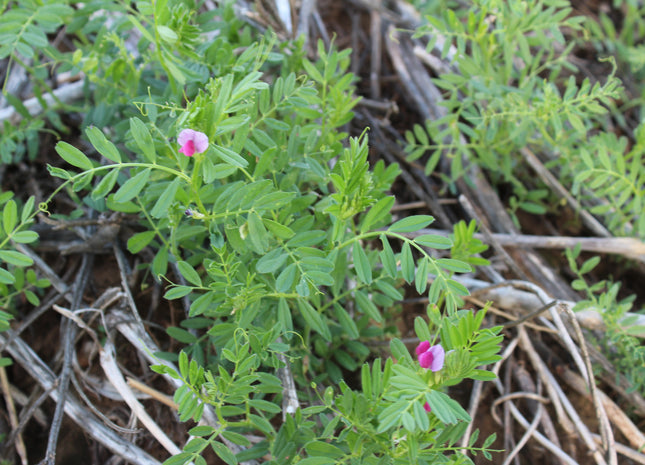
Common vetch is a valuable cover crop widely used in the industry. As a leguminous plant, it provides nitrogen fixation, improving soil fertility. The extensive root system prevents erosion and helps control weeds. It enhances soil quality by adding organic matter, supports crop rotation systems, and provides early-season ground cover. Additionally, it can serve as a habitat for wildlife and, in some cases, offer forage for livestock. Common vetch's cold tolerance makes it suitable for various climates, but it is not nearly as cold tolerant as hairy vetch.
from $1.75 per lb
-

Kale (Bayou Kale-Rape Hybrid)
This hybrid plant is the product of blending two brassica parent plants: kale and forage rapeseed. This innovative hybrid boasts a unique combination of qualities, harnessing the quick establishment capabilities of forage rape and the exceptional winter resilience of kale. The resulting kale-rape hybrid stands as a superior source of high-protein forage, tailor-made for winter grazing. Its accelerated growth, robust vigor, and resilience to harsh winter conditions make it an ideal choice for livestock feed.
from $3.00 per lb
-
Japanese Millet
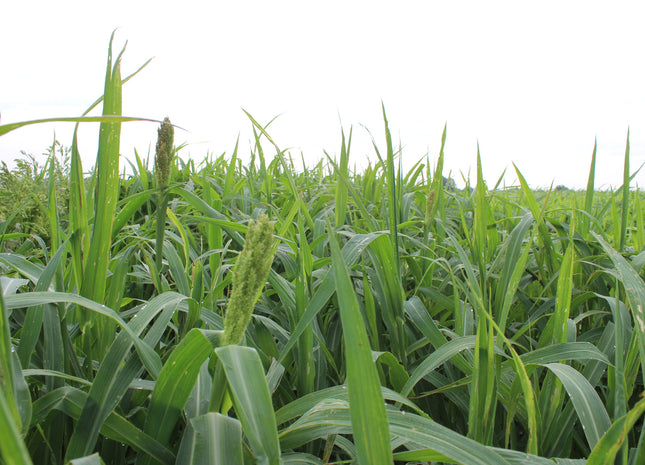
Japanese millet, known for its quick maturity, usually offers a lower forage yield compared to other millet varieties. However, it stands out for its superior post-maturity palatability when compared to foxtail millet and its impressive regrowth capabilities. Additionally, Japanese millet exhibits remarkable resilience to waterlogged soils, thriving even in standing water, making it a valuable choice for enhancing duck habitat and nourishment in food plots.
from $0.90 per lb
-

Brown Top Millet
With extremely rapid growth, browntop millet can fill narrow growing windows to produce a nice quality forage. This millet is a tropical plant and particularly suited for the southern US states. Very fine stems and leaves allows plant material to dry down effectively for dry hay production. Because it holds it's nutritive value better than other millets this is a great option for a stockpile grazing mix. Browntop millet is also an effective nurse crop, much like oats, in stabilizing erosive hill slopes and providing cover for slower growing target species to become established. Research has shown browntop helps to suppress root-knot nematode within the soil. With the ability to easily reseed and that seed to remain viable in the soil profile for years, makes browntop millet an excellent regenerating food plot for wildlife.
from $1.05 per lb
-
Winter Wheat (GA Gore Soft Red) - Beardless
The soft red winter wheat, an awnless variety, stands at a medium height with its moderate-strength straw. Its resistance to diseases and pests makes it a nice option as a winter cover crop for grazing, weed suppression, and erosion control.
from $0.27 per lb
-

Chickpeas (Desi)
As the most heat tolerant of the cool season legumes, chickpeas offer a versatility that can be used in both warm and cool season mixes. Though not a great biomass producer, chickpeas are very drought tolerant and can help cover the ground in the midst of a summer drought. This taprooted plant can be used with grasses to add diversity and help break up compaction. As a legume, chickpeas will also fix nitrogen into the soil. Desi chickpeas have a smaller seed size so they blend well in a cover crop mix.
from $0.80 per lb
-

Florida Broadleaf Mustard
Florida broadleaf mustard is an excellent option for grazing mixes. With great palatability and high nutrient content, this mustard will keep your livestock coming back for more. Florida broadleaf mustard is also known for its ability to be utilized as a natural dewormer in grazing systems.
from $1.45 per lb
-
Spring Forage Barley (Lavina) - Beardless
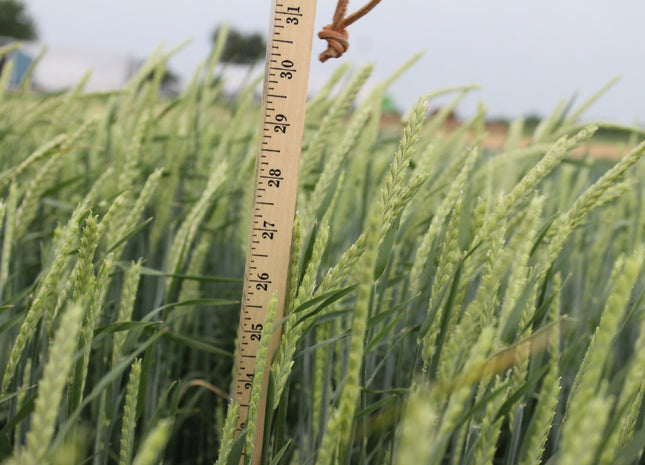
Lavina beardless spring forage barley is an excellent, highly palatable forage crop. With moderate cold tolerance and relatively low water usage compared to other cover crop species this is a great option for many grazing or forage mixes. Barley tolerates highly saline soils and and can help render P & K available for your next crop. Barley provides a good feed quality grain that can be harvested 2-3 weeks earlier than wheat which then allows your double crop/cover to be planted sooner.
from $0.32 per lb
-

Siberian Kale
Siberian kale, like many other brassicas, are a great addition to a variety of mixes. The deep taproots allow the plant to access nutrients and water deep in the soil profile. The wide leaf and good palatability of kale works great in grazing mixes for livestock. A good cold tolerant brassica that can last deep into the fall for good fall and early winter grazing.
from $2.50 per lb
-

Triticale (SY TF 813 Triticale) - PVP
This product cannot be shipped to AZ or CA. 813 is a winter triticale variety adapted to the Southern and Central Great Plains. This triticale is awnletted meaning it has very short beards. 813 is a medium maturity, rust and wheat streak mosaic tolerant variety. It should be used for forage production and is known for excellent silage yields.
from $0.42 per lb
-

Hairy Vetch (MT)
Hairy vetch is one of the most winter hardy legumes. Being more winter hardy than common vetch, hairy vetch has the potential to withstand temperatures as low as -20F. This species is known to have a great rooting system, with a tap root that will extend 1 to 3 feet into the soil profile. This taproot will allow the vetch to thrive even in dry conditions. When hairy vetch is placed into a mix, it can help bring the C:N ratio of the mixture down. This reduces the risk of nitrogen immobilization for the next crop.
from $2.54 per lb
-

Sunn Hemp (Crescent Sunn)
Sunn hemp is an erect, tall growing warm-season legume with an anchoring tap root. Sunn hemp is a tropical plant so it thrives in the heat. It's deep taproot helps it access water and nutrients deep in the soil profile and works with bacteria to fix nitrogen. The leaves are high in protein for grazing and especially popular with small ruminants like sheep, goats, and deer, but cattle will also eat the leaves. It's long growing season also makes it a great addition to grazing mixes. Due to toxicity concerns we do NOT recommend grazing sunn hemp as a monoculture. The stalk is very lignified making this a poor species to use in a hay mix.
from $2.00 per lb
-
Winter Barley (P919) - Beardless
P919 is a beardless winter barley that will work well in many grazing or forage cover crop mixes. With moderate cold tolerance and relatively low water usage compared to other cover crop species this is a great option for many grazing or forage mixes. Barley tolerates highly saline soils and and can help render P & K available for your next crop. Barley provides a good feed quality grain that can be harvested 2-3 weeks earlier than wheat which then allows your double crop/cover to be planted sooner.
from $0.32 per lb
-

Sorghum Sudan (SolarMaxx PPS)
SolarMaxx is a photoperiod sensitive sorghum sudangrass designed to be used in both diverse cover crop mixes as well as for forage production. The photoperiod sensitivity is an increased benefit to anyone who wants to have a full season plant with multi harvest possibilities. Photoperiod sensitivity means that the plant will not go reproductive until the daytime hours get to 12 hours and 20 minutes. The flexibility of these genetics gives the producer time to either react to making a harvest, or allow time for moisture to come and allow the plant to grow again. Since seedhead emergence is so late the threat of volunteer seed is little to none.
from $1.45 per lb
-
Organic Cereal Rye (Cardinal)
Notice: This product may NOT be used for grain production, seed production, or mechanically harvested forage. Cereal Rye has an excellent fibrous root system that alleviates surface compaction. Rye can be successful planted later then almost any other cover crop due to its low germination and growth temperature requirements. Cereal rye is known for being the best cereal crop at retaining residual N. It's typical for a fall planted cereal rye crop to scavenge on average 25 to 50 lbs of N, with cases scavenging in excess of 100 lbs of N. The vigorous spring growth has successful weed suppression through competition and allelopathic chemicals. Rye can be terminated in the spring through the alternative methods of rolling, mowing, or crimping after boot stage. Rye will out yield any other cereal crops when planted in droughty, infertile, or sandy soils.
from $0.36 per lb
-

Forage Sorghum (Sweet Cane Max MS)
Sweet Cane Max is a medium maturity, male sterile, forage sorghum. This hybrid fits well in high-quality forage production or grazing operations. It has superior standability when compared to other hybrids. Sweet Cane should be used in single cutting/grazing or winter grazing scenarios. When drying conditions are favorable it can be used for hay. Usually it is cut once the plant has headed out for highest sugar content or used for winter stockpile grazing. Sweet Cane will not produce grain unless pollinated with other sorghums, so isolation is recommended to protect sterility.
from $1.15 per lb
-

White Mustard (Action)
Action white mustard is a superior white mustard variety known for its excellent nematode reduction properties. This variety is very quick to establish and forms lots of biomass in its early stages of life. Action mustard is very stable due to it's extensive root system making it well suited to strip-till situations. This mustard has a low likelihood of flowering so it will stay in vegetative stage for a longer period of time making it ideal as a grazing mustard.
from $2.50 per lb
-
Organic 4010 Spring Forage Pea
Note: This products is certified organic. Spring peas are one of the fastest growing spring legumes. Planted in spring after the harshest winter cold has passed, spring peas will tolerate some light freezing. Peas are commonly planted with oats as a high quality spring feed either for hay or grazing or even a green manure.
from $0.80 per lb
-
Cereal Rye (Cardinal)
Notice: This product may NOT be used for grain production, seed production, or mechanically harvested forage. Cereal rye is probably the most commonly planted cover crop in the US. Known for its extensive root system, cold hardiness, grazeability, and nutrient cycling, rye is widely used in many cover crop situations. Its vast fibrous root system alleviates surface compaction and prevents erosion. Rye can germinate in temps as low as 34 degree F and will photosynthesize in temperatures as low as 38 degrees F making it super versatile for late fall /early winter plantings. Cereal rye is known for being the best cereal crop at retaining residual N. The vigorous spring growth has successful weed suppression through competition and allelopathic chemicals. It can also make an excellent forage crop. Rye can be terminated in the spring through the alternative methods of rolling, mowing, or crimping after boot stage. Rye will out yield any other cereal crops when planted in droughty, infertile, or sandy soils.
from $0.29 per lb
-

Triticale (Forage FX 1001 Triticale) - PVP
Forage FX 1001 Triticale is a beardless, high-yielding forage triticale which can produce great tonnage on dryland acres. Forage FX 1001 is also the most cold tolerant triticale we offer. The reduced awn expression makes this variety an excellent option for grazing or haying. With excellent forage yield potentials this variety gives you the tonnage and the quality you are looking for. Forage FX 1001 is known to produce high amounts of forage even in low rainfall environments such as the western Great Plains regions.
from $0.42 per lb
-

Sunn Hemp (Mini Red)
Mini Red sunn hemp is an erect legume with an anchoring tap root. The Mini Red variety is shorter compared to common sunn hemp. The leaves are high in protein for grazing and especially popular with small ruminants like sheep, goats, and deer, but cattle will also eat the leaves. The stalk is very lignified making this a poor species to use in a hay mix.
from $3.10 per lb
-
Spring Lentil (Green)
These green spring lentils thrive in cool, dry conditions where they can remain relatively free of disease, hence they are commonly grown in the northern Great Plains. With a shallow rooting structure that doesn't have the ability to reach subsoil moisture, lentils are a great option in front of cereals or deep rooting crops. If excessive moisture is present during the growing season it will delay plant maturity. This will be excellent for producers who want to plant a summer fallow mixture where the mix can continue to grow under ideal conditions. Lentils are known for their ability to emerge through thick cereal stubble due to their strong seedling vigor. With rapid seed germination, seedlings generally out grow the threat of insects or disease pressure during establishment. Lentils can also house mycorrhizal fungi. Mature lentil straw can be an option for feed as it is much higher in crude protein, digestibility and palatability when compared to cereal straws.
from $0.95 per lb
- Out of Stock
Organic Elbon Cereal Rye
Note: This product is certified organic. Cereal rye is probably the most commonly planted cover crop in the US. Known for its extensive root system, cold hardiness, grazeability, and nutrient cycling, rye is widely used in many cover crop situations. Its vast fibrous root system alleviates surface compaction and prevents erosion. Rye can germinate in temps as low as 34 degree F and will photosynthesize in temperatures as low as 38 degrees F making it super versatile for late fall /early winter plantings. Cereal rye is known for being the best cereal crop at retaining residual N. The vigorous spring growth has successful weed suppression through competition and allelopathic chemicals. It can also make an excellent forage crop. Rye can be terminated in the spring through the alternative methods of rolling, mowing, or crimping after boot stage. Rye will out yield any other cereal crops when planted in droughty, infertile, or sandy soils. Elbon was developed by the Noble Foundation in Oklahoma so it is best adapted to shorter, milder winters. For this reason Elbon will continue to grow later into the fall and will break dormancy earlier in the spring. This is ideal for growers hoping to terminate rye as early as possible in the spring. Elbon is not a great option for grain production.
from $0.37 per lb
-
Forage Sorghum (Sorgrow D120 BMR Brachytic Dwarf)
This Brachytic Dwarf Forage Sorghum brings a jump in yield potential. Excellent standability, top-notch quality feed and now featuring our Aphix SCA tolerance. This is a benchmark of all high-yielding forage sorghum products in the lineup. If you need a product to push the limits of yield and provide superb agronomics, this is the one to try.
from $2.18 per lb


