Managing Prussic Acid in Sorghum Forages
Prussic acid is a potentially dangerous substance that is produced by plants in the sorghum family. Increased prussic acid concentrations can occur with freshly frost killed forage, new plant growth (under 24” tall), drought stressed crops, freshly cured hay or chopped silage, and high nitrogen conditions. Sorghum species provide excellent quality and quantity summer forage, but need to be properly managed to avoid prussic acid risks. Here are a few key management tips:
-
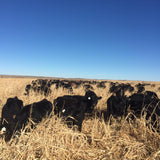
 The first killing frost will rupture the plant cells and release high concentrations of prussic acid. Avoid grazing livestock after the first frost for 4-6 days until this chemical compound dissipates into the atmosphere.
 - Freshly harvested haylage or silage should not be fed to livestock for at least one month, giving time to release and break down the acid in the ensiling process.
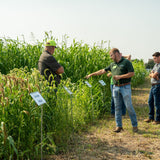
- Forage diversity is key and by mixing sorghums with non prussic acid species such as corn, millet or teff, , the acid concentrations are diluted to much lower levels.
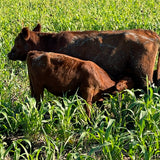
- Before turning livestock into a new forage paddock, be sure they have a full stomach/rumen.
Excerpt from "Prussic Acid Poisoning" by from the Oklahoma Cooperative Extension Services:
There are no totally reliable quick test methods of determining the amount (ppm) of prussic acid that may have accumulated in sorghum plants. Livestock producers should be cautious about grazing plants that have been subjected to stress. Danger can be reduced by planting a variety or hybrid that is low in prussic acid potential and by using preventative management practices.