Which Cereal Rye Variety Should You Plant this Fall?
When selecting a cereal rye cover crop for your farm, understanding the unique characteristics of each variety can make all the difference in achieving your soil health and agronomic goals. We're pleased to offer three distinct cereal rye varieties, each purposefully designed for specific growing conditions and management objectives.
Hazlet Cereal Rye: The Northern Workhorse
Hazlet stands out as our northern-adapted variety, originally developed in Canada for the challenging conditions of the Canadian Prairies. This cultivar excels in regions requiring exceptional winter hardiness and consistent performance in cold climates. Hazlet features superior winter survival traits, making it the ideal choice for growers in northern zones who need reliable stand establishment through harsh winters or for late plantings in central plant hardiness zones. The variety produces strong biomass growth and offers, typically capturing 25 to 50 pounds of residual nitrogen per acre. Hazlet's robust root system effectively alleviates surface compaction while protecting soil through the winter months and has excellent nitrogen scavenging capabilities, which is especially important ahead of soybeans. Plant this variety when you need proven cold tolerance and dependable spring growth ahead of your cash crop.
Elbon Cereal Rye: The Southern Specialist
Developed by the Noble Foundation in Oklahoma, Elbon represents our southern-adapted option with distinctly different growth characteristics. This cultivar features a shorter dormancy period and remains more actively growing during the late fall and early spring as well as warm winter periods, which are common in southern and central regions. The shorter dormancy period allows Elbon to provide excellent winter forage production, making it valuable for operations incorporating grazing into their cover crop strategy. Because of its genetics, Elbon matures heads out and matures 10-14 days earlier than northern varieties. While quite winter hardy as far north as zone 4B, Elbon thrives in areas where winter temperatures are less severe and where consistent fall, winter, and early spring growth is desired. Like other rye varieties, Elbon will germinate in soil temperatures as low as 34 degrees Fahrenheit, enabling successful late-season establishment.
Cardinal Cereal Rye: The Hybrid Innovation
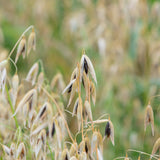
Our newest offering, Cardinal, comes through the innovative KWS Cover Plus program and represents second-generation seed from elite KWS hybrid rye genetics. We chose the name Cardinal because, like that strong and tough bird that doesn't hide from winter but embraces it, this variety stands resilient through challenging conditions. The winter hardiness is excellent, rating just below Hazlet and just above Elbon. One of Cardinal's standout features is its exceptional tillering ability inherited from its hybrid rye parentage. This enhanced tillering creates denser stands and more uniform canopy development, maximizing soil coverage and weed suppression and making it a great forage option in milder regions where it has the growing degree days to take full advantage of tillering. Growers benefit from the advanced breeding behind KWS hybrid rye development while using this second-generation seed as a terminal cover crop. Cardinal combines traditional cereal rye benefits including nitrogen scavenging, erosion control, and weed suppression with the reliability and vigor associated with its hybrid genetics background.
Making Your Selection
All three varieties share cereal rye's fundamental strengths: the ability to be planted late into cool soils, fibrous root systems that break up compaction, excellent nitrogen retention, natural weed suppression through allelopathic compounds, and adaptability to various soil types. Your choice ultimately depends on your climate zone, management goals, and whether you value northern hardiness, southern winter activity, or cutting-edge genetics. It is not too late to plant cereal rye! Contact us to discuss which variety best fits your operation's specific needs.

Cover Crops Related to This Article
Recommended Reading