Grazing a Cover Crop Instead of Growing a Cash Crop in 2026
[vc_row type="in_container" full_screen_row_position="middle" column_margin="default" column_direction="default" column_direction_tablet="default" column_direction_phone="default" scene_position="center" text_color="dark" text_align="left" row_border_radius="none" row_border_radius_applies="bg" overflow="visible" overlay_strength="0.3" gradient_direction="left_to_right" shape_divider_position="bottom" bg_image_animation="none"][vc_column column_padding="no-extra-padding" column_padding_tablet="inherit" column_padding_phone="inherit" column_padding_position="all" column_element_spacing="default" background_color_opacity="1" background_hover_color_opacity="1" column_shadow="none" column_border_radius="none" column_link_target="_self" column_position="default" gradient_direction="left_to_right" overlay_strength="0.3" width="1/1" tablet_width_inherit="default" tablet_text_alignment="default" phone_text_alignment="default" animation_type="default" bg_image_animation="none" border_type="simple" column_border_width="none" column_border_style="solid"][vc_column_text]With the USDA predicting unfavorable commodity prices for corn, soy and wheat, farmers across the country are crunching numbers trying to figure out how to lower input costs and generate cash flow in 2026. There are no quick fixes to the issue of low prices and high input costs, but there are a few things you can do this year to improve your situation.
Grow Cattle Instead of Corn
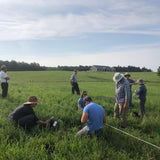
With livestock producers entering 2026 in better shape than grain producers, many farmers across the country plan on growing a cover crop for grazing instead of a cash crop on a portion of their grain acres this year. Whether you’re renting the ground out for a neighbor to graze, or putting gains on your own cattle, a summer grazing mix or stockpile mix could very likely be more profitable than a grain crop this year.
Not only does a forage mix require less input costs, less fuel costs and potentially even less labor, it also requires less rainfall because the plants do not have to set grain, it only has to make it through the vegetative growth stage. For folks on irrigated ground, growing a cover crop could mean big savings on running the well this year. And for those in arid regions, it could mean the difference between a crop failure and a grazable field.
Grow Your Soils
Plus, your soils will thank you. The summer growing season offers one of the best opportunities for maximizing diversity, as you can utilize species from a variety of different plant families, both cool season and warm season. Those long days grow awesome, high quality forages that nourish livestock who then feed the soil with their nutrient rich and microbially diverse manure.
Farmers like Jay Young have become fond of growing a stockpile mix on their row crop ground, that way when they let the cows out onto it in winter, there’s less risk of compaction.
Learn From Others
While this option comes with a certain level of risk, it arguably offers the highest level of reward when it comes to turning a profit this year. And good news is, you would not be the first person to try this. We have interviewed several farmers who are grazing livestock on cover cropped grain acres and you can hear their stories here. And as always, our team is ready to help you talk through a plan that’ll work in your unique context.
If you’re interested in penciling out the profitability of grazing cover crops and you’d call yourself a “spreadsheet person”, reach out to your sales rep and inquire about our grazing calculator which can help you calculate potential gains and profit per acre.
Explore biology to offset your input costs
Growing a cover crop with a high rate of legumes is one of the most economical ways to provide nitrogen fertility to your cash crop. While the majority of the nitrogen fixed from this year’s cover crop will actually benefit next year’s cash crop, there’s still a great benefit in feeding your soils this spring before your cash crop planting.
Biological products can also offer a flexible and more affordable fertility application.
Save on Herbicide Application Costs
Planting a spring cover crop can help you suppress early season weeds, saving an herbicide pass or even two. Consider planting at a higher rate to produce substantial biomass that’ll suppress weeds long after the cover crop is terminated.
Farming is a difficult and demanding profession to be in, in fact it’s more a lifestyle than anything. Making a change like this can seem daunting and out of reach, but we’re here to connect you with the right resources and people to help make the transition easier. If you have questions we’re just a call away.
If you’re interested in connecting with other “outside the box” growers consider joining us at our Regenerative Nexus Summit in Omaha, Nebraska in February. If you’ve been thinking about making some changes on your operation but you’re not quite ready to jump in head first, this might just be the event that changes the trajectory of your farm for the better. The event is invite-only but if you’d like to learn more please reach out to your sales rep or Shelby shelby@greencover.com.[/vc_column_text][/vc_column][/vc_row]