Is There Still Time to Plant this Fall?
This is a question we hear constantly as temperatures drop and frost warnings roll in. But as long as you can get your drill into the ground, it's not too late—at least for cereal rye. And there are many other options, even after your average frost date.
Why Your Frost Date Isn't Everything
Most planting recommendations center around your area's average first frost date. But by paying close attention to your location, current soil conditions, the weather, and being careful with species selection, you have lots of options to get your fields covered yet this fall. Take Nebraska, for example, where the average first frost hits around October 7th. When soil temperatures are still sitting at a comfortable 58 degrees and the forecast shows highs in the 60s, 70s, and even 80s, those "normal year" rules go out the window. Warm soils and favorable conditions mean you can push planting dates even later. Pro tip: Check real-time soil temperatures for anywhere in the US using the GreenCast website before making your final decision.
Planting Windows for Each Species
You can nearly always plant cereal rye
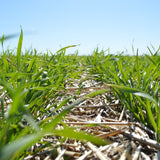
There's not necessarily a strict cereal rye planting date. If you can get your drill in the ground, it's not too late for cereal rye. This hardy workhorse has proven successful with plantings clear through December. It germinates at just 34 degrees, almost always vernalizes successfully, and explodes with growth during the late winter and early spring warm-up. Here's the remarkable part: because it stays green all winter, cereal rye continues photosynthesizing whenever temperatures climb above 38 degrees and the sun shines—even as a small plant. The trade-off? Late plantings won't tiller as much, so be sure to increase your seeding rate as you get later in the season.
Give Annual Ryegrass two weeks before frost.
Annual ryegrass best when it hits the ground about two weeks before your first frost. Give it that head start, and it will reward you come spring. For a deeper dive into how annual ryegrass differs from cereal rye, check out this article.
Triticale and Winter Wheat can be planted 2-3 weeks after frost.
These cold-hardy cereals give you breathing room. Plant them 2-3 weeks after your average first frost date, and they'll come through just fine when spring arrives