Keeping Living Roots Growing As Often As Possible
In a Regenerative Table Grape Vineyard Operation
The principle of keeping living roots growing as often as possible is a cornerstone of our regenerative agriculture approach, aimed at improving soil health, enhancing biodiversity, and increasing the resilience of agricultural systems. In a regenerative table grape vineyard operation, like Union Grove Farm here in Hillsboro, North Carolina, this principle has helped transform the vineyard into a vibrant ecosystem that sustains both the vines and the environment, and is appreciated by our community. By focusing on maintaining continuous root presence in the soil, we aim to foster a range of ecological benefits that contribute to the long-term sustainability, productivity, and profitability of our vineyards.

Enhancing Soil Health
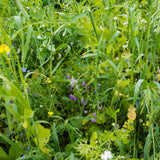
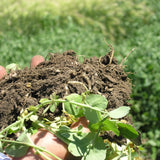
One of the primary benefits of maintaining living roots in the soil is the enhancement of soil health. Living roots exude organic compounds that feed soil microorganisms, fostering a rich and diverse soil microbiome which plays a crucial role in nutrient cycling. In our regenerative vineyard, a carefully selected cocktail of cover crops from Green Cover are strategically integrated to ensure that roots are present throughout the year, even when the grapevines are dormant. This practice also keeps the soil covered, which protects the soil and the organisms living within it.

Improving Soil Structure
Continuous root presence also contributes to improving soil structure. The roots of cover crops penetrate the soil, creating channels that improve aeration and water infiltration. This reduces soil compaction, enhances root growth, and allows for better water retention. A well-structured soil is less prone to erosion and can support healthy vine growth by providing a stable and conducive environment for root development. This is particularly relevant at Union Grove Farm, where we have to deal with a dense clay soil that had been tilled and sprayed for 60 years.
Biodiversity and Ecosystem Function
Keeping living roots in the soil promotes biodiversity, both above and below ground. Above ground, a diverse array of cover crops attract beneficial insects, birds, and other wildlife, creating a balanced ecosystem that can naturally manage pests and diseases. We have been lauded by our local Audubon Bird Society, who have recorded several new species of birds on the farm never seen before in our region. We also work closely with a local apiarist who is expanding his bee hives across our farm, as his bees thrive amongst our regenerative cover crops. Below ground, the diversity of root systems supports a wide range of soil organisms, from bacteria and fungi to earthworms and arthropods. This biodiversity enhances ecosystem functions such as nutrient cycling, pest suppression, and disease resistance, contributing to a more resilient vineyard system.
Carbon Sequestration and Climate Resilience
By maintaining living roots year-round, our regenerative vineyard plays a significant role in carbon sequestration. Plants capture carbon dioxide from the atmosphere through photosynthesis and store it in their roots and surrounding soil. By ensuring that roots are always growing, vineyards can continuously sequester carbon, helping to mitigate climate change.
Implementing the Principle at Union Grove Farm
To implement the principle of keeping living roots growing in our vineyard, several strategies have been employed:
- Cover Crops: Planting cover crops between vineyard rows is an effective way to maintain living roots. We select a mix of species that provide different rooting depths and growth habits which maximize the benefits.
- Reduced Tillage: Minimizing soil disturbance helps preserve the root systems of cover crops. Reduced tillage practices protect soil structure and microbial communities, allowing roots to thrive and contribute to soil health.
- Composting and Mulching: We build and apply our own organic mulches and compost around our grapevines to maintain soil moisture, suppress weeds, and add organic matter to the soil as it decomposes. This also provides a protective layer that supports root growth and microbial activity.
- Perennial Grasses: We will be supplementing our cover crop strategy by planting selective perennial grasses in the vineyard aisles which will provide a continuous root presence and prevent soil erosion. These grasses can be managed to avoid competition with grapevines while still offering the benefits of living roots.
Conclusion
The principle of keeping living roots growing as often as possible is a fundamental aspect of our regenerative agriculture approach at Union Grove Farm that has delivered a myriad of benefits to our vineyards, vines, and grapes. Through the strategic use of cover crops, reduced tillage, and mulching, we are creating a thriving ecosystem that nurtures both the vines and the environment. Embracing this regenerative approach has led to healthier soils, more productive vineyards, and a more sustainable future for our operation… as it will, we passionately believe, for agriculture.