Seed Quality and Performance
Not all cover crop seeds are created equal. The quality of seed you plant directly determines whether your investment of time and money pays off. A sparse stand after cover crop seeding or a field that winter kills despite your best efforts are disappointing and costly. These failures and frustrations often trace back to one thing: seed quality.
What Makes Quality Seed?
Where a seed comes from matters more than most farmers realize. Research increasingly shows that both seed source and growing conditions shape a seed's quality and performance potential. Every seed carries its own microbiome—a community of bacteria and fungi living on and within it. Seeds produced in healthy, biologically active soils host more diverse and beneficial microbial communities. When you plant these seeds, their microbes immediately begin interacting with your soil, establishing partnerships that support strong seedling growth from day one.

Seeds are born with advantages—or disadvantages. A seed also contains nutrient reserves—minerals, carbohydrates, proteins, and fats—that fuel germination and early root development. When parent plants grow in biologically rich environments with strong microbial partnerships, they pass both robust nutrient stores and diverse microbial communities to their seeds. This combination produces seedlings with greater vigor, better disease resistance, and more reliable establishment.
Conversely, seeds from depleted environments carry fewer microbial partners and weaker nutrient profiles. These seedlings must work harder to form new soil relationships—and if your soil lacks the right microbial partners, those relationships may never form. The result is seedlings that are more vulnerable to disease, pests, and environmental stress throughout the entire growing season. It's much like a person with a weakened immune system being more prone to illness.
We see this principle confirmed in our own test plots. Cover crop plants consistently show greater health and vigor when grown in diverse mixes compared to monoculture stands—further evidence that biological partnerships matter from seed to harvest.
The Importance of Seed Genetics
As cover crop adoption grows across the country and around the world, more attention is being placed on breeding and selecting plant genetics specifically suited for cover crop systems. At Green Cover, we plant extensive test plots each year to evaluate new varieties and ensure we can match the right genetics to our customers' needs. Because our customers farm in vastly different climates and conditions, cover crops are never a one-size-fits-all solution. That's why we maintain a broad inventory of seed, often two or three varieties per species, so we can provide genetics best suited to each producer's goals and environment. For example, a grower in South Dakota will need a very different cereal rye variety than one in California. Every seed we carry is chosen for the unique characteristics it brings to a diverse cover crop mix.

In our new online course, The Power of Diversity in Cover Crop Species, Keith Berns explains that the origin of a seed greatly influences its performance, especially its ability to overwinter. Hairy vetch is a great example of this. Because it is so difficult to harvest, the vast majority of hairy vetch grown as cover crop in the United States is actually imported from countries like Argentina or Spain. These countries have cool, mild winters which produce hairy vetch seeds that often fail to overwinter in much of the United States. As a general rule, seeds from plants grown in harsher climates often perform better under stress due to the resilience of the parent plant over multiple generations.
Hairy vetch is an incredibly important plant for regenerative farmers who are looking to decrease their synthetic nitrogen, and without a plant that can reliably overwinter, many would forgo planting an overwintering cover crop altogether. That's why at Green Cover we work with farmers in extremely cold regions like Montana or Canada to grow hairy vetch with superior winter hardiness. These plants endure long, extremely cold winters with temperatures frequently dropping below 0°F. Generally, if a seed can survive a harsh northern winter, it will overwinter reliably in areas with equal or milder conditions.
Contract Production at Green Cover
At Green Cover, about 60% of our seeds come from a network of growers who follow soil health principles, often in challenging dry or cold environments. These conditions strengthen crops such as cereals, clovers, and brassicas, producing hardy seeds that thrive under stress.
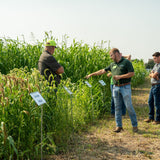
Over the years, as Keith and Brian have observed this pattern again and again, it's motivated them to know the exact sources of the seed we sell at Green Cover. This has resulted in a pivot towards contract growing a large portion of our seed. On any given day, our Contract Seed Production Manager, Scott Ravenkamp, is likely on the road, headed to one of the many growers we work with across the country. By meeting the farmers who grow our seed, touching and seeing their soils, and getting feedback throughout the growing season, we get to know our seed very well.
Seed Testing And Quality Assurance
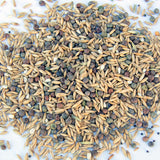
Once the seed arrives at Green Cover, our team puts it through an extensive seed cleaning process followed by rigorous and regular seed testing for germination and purity. These key steps allow us to ensure we are delivering the highest quality product possible to our customers. All of our seeds are non-GMO and non-treated and our recently added organic line-up is growing every year.

Just as seed origin makes a huge difference, so can biological inoculants. Well designed seed treatments can significantly boost performance, especially for lower-quality seeds. According to regenerative agriculture expert John Kempf, applying a combination of trace minerals acts like "colostrum" for seedlings, providing essential nutrition that parent plants may not have supplied. Additionally, microbial inoculants—containing beneficial bacteria, mycorrhizal fungi, and biostimulants—form "synergistic stacks" that promote rapid germination and root development. This early microbial colonization enhances resistance to root diseases and reduces the energy seedlings need to recruit microbes from the soil, leading to healthier crops and better yields.
By choosing high-quality seeds and enhancing them with targeted treatments, you can maximize germination speed, seedling vigor, and soil health, setting the stage for a resilient and productive cover crop system.
Organic Seed Options
Cover crops go hand in hand with organic operations. Becoming a certified organic seed handler and offering organic cover crop seed options helps us better serve our organic customers. Just like our other seeds, we source from high quality organic seed producers and follow an approved protocol to keep that seed certified organic while in our hands. Organic customers can choose to order organic certified monos or mixes. We can also design mixes with as much organic seed as possible with the added variety from other non-organic species. We work with hundreds of organic producers every year and we encourage working closely with your organic certifier to ensure all seed and biological treatments are approved before applying anything to organic-certified land.
Your cover crop success is determined long before planting day. It starts with three non-negotiables: biologically robust seed, genetics suited to your climate, and rigorous testing. At Green Cover, we've built our business around these principles—sourcing seed from growers who farm regeneratively in challenging environments, contract-growing the majority of our inventory, and testing every lot that comes through our facility. This isn't just about germination rates. Seeds carrying diverse microbes and strong nutrient reserves establish faster, resist disease better, and perform throughout the season. The result? Better soil health, greater resilience, and dependable returns on your investment.
Further Reading
If you found this article interesting, we think you'll also enjoy reading "Seeds and Seedlings With Speed" by John Kempf, first published in the 10th edition of our resource guide.
"There are two key aspects to superior-quality seed that germinates quickly. The best seed contains abundant nutrition — mineral nutrition as well as carbohydrates, proteins and fats. Seed with generous nutrition will be heavy, have fewer seeds per pound, and have a high test weight. In addition to the nutritional component, the best seed also carries a population of symbiotic microorganisms on the seed surface that immediately colonizes the root system and leaf surface as the seed germinates." - John Kempf, Seeds and Seedlings With Speed