Spring forage options to take advantage of this year's moisture
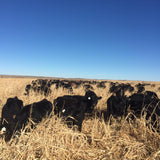
2022 was a challenging year when it comes to grazing and forage availability and quality for livestock. Let’s keep 2022 in the past and focus on the opportunity ahead of us with increased moisture across most of the severe drought stricken areas. We can still use moisture in most areas, but let’s take advantage of the moisture we do have by strategically growing spring forage crops. We can accomplish this goal and improve soil health at the same time! Maybe you are a livestock producer that needs the grazing or hay production—trying to buy forage can be expensive. You could be a cash grain producer looking for another source of income or looking to improve the quality of soil. In both cases, we can help producers with a spring forage mix. First, prioritize your goals: grazing, haying, soil health, or another source of revenue. When you understand your goals, we can customize a mix to help you achieve them. Let’s look at the species we can choose from to create a spring forage mix.
Legumes
Legumes are a great addition because they help increase protein in forage, whether grazing or haying, and can add nitrogen to the soil. When these legumes are cycled through the rumen of an animal, the nitrogen is made into an available form in the soil at a much faster rate that if it was allowed to naturally break down. 4010 spring peas is the most popular spring forage we sell, and will provide a good forage source. Spring peas are friendly hosts to mycorrhizal fungi, which can aid in increasing the population of these beneficial fungi in your soil.. To help increase weed suppression, consider adding in a spring vetch, which will vine through the mix and fill in the open spots. With its vining growth, vetch can climb up species in the mix that grow upright, which will also increase hay production. Crimson clover is a versatile forage legume that can be broadcasted or drilled with a mix. This species can be used in a frost seeding application to help increase the forage productivity of already planted cereal grains such as triticale. However, the frost seeding is mainly limited to the middle high plains and midwest.
Grasses
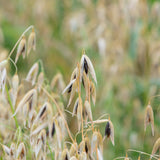
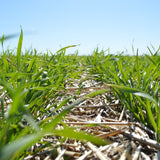
When it comes to forage production, grasses are hard to beat. Oats, barley, spring triticale and annual ryegrass all make excellent forage for haying or grazing. Their fibrous roots are excellent at building soil by reducing surface compaction and feeding microbes. Oats and barley have also been found to be particularly good hosts of mycorrhizal fungi. Both Hayden Spring Oats or Rushmore Spring Oats are excellent options for hay, silage or grazing. Green Cover has bearless options for both spring barley and spring triticale that takes these forages to the next level for grazing. Another spring grass to consider is annual ryegrass. What ryegrass lacks in tonnage potential it makes up with extremely high forage value and a fibrous root system that is second to none. Including even a few pounds of ryegrass in a mix can do great things for improving soil structure and reducing compaction, both at the surface level and several feet below ground.
Brassicas
Brassicas may not produce the tonnage that the above species will, but they make up for it in exceptional nutritional quality. Plus, your spring forage mix will benefit from the additional diversity. The best grazing or haying brassicas to use in the spring are forage collards, kale, and turnips. They have large leaves that are very palpable to livestock and produce deep taproots which can reach deep down to find nutrients and water. Access to the ground deep down in the soil profile will benefit the nutrition of the whole forage mix.
Broadleaves
There are not many choices for cool-season broadleaves to add to a spring forage mix, but two that could be added would be phacelia and flax. Phacelia will be the most palatable of these two and will produce a nice purple flower for attracting beneficial insects. This is a very small seed, so it would not add a lot of pounds to the mix. Flax’s mycorrhizal fungi-friendly roots will help to feed the other plants in the mix. Animals will leave flax alone due high lignin levels, but that’s not a problem for your mix—the untouched flax will increase the residue build up on top of the soil. Both of these species would be best used in a grazing mix rather than a haying mix. There is a great opportunity this spring to increase current forage supply, stock up for next year, or increase grazing acres. Some growers will be able to increase their revenue through selling hay or custom grazing. Please contact us to find out which mix would be best for you.

Cover Crops Related to This Article
Recommended Reading