Understanding and Enhancing Soil Biology
To build soil, plants and soil biology must work together. Soil biology includes living organisms from bacteria and fungi to insects and earthworms. This biology is critical for growing healthy plants capable of accessing nutrients, resisting pests, and fighting disease. Just as microbes in our gut digest food and deliver nutrients to our body, soil biology breaks down organic matter and makes nutrients available to plants.
The Biological Ecosystem in Your Soil
A rich tapestry of microorganisms, from the smallest bacteria to larger creatures like earthworms, creates what is known as the soil food web. This diversity is fundamental for residue decomposition, nutrient availability, and soil aeration. One of the first indicators of healthy biological soil activity is the presence of earthworms. Their activities facilitate organic matter integration and soil porosity, enhancing both air and water infiltration.
Understanding your soil's biological health is the first step to improving it. The following tools and techniques can help you see a clearer picture of the biological activity in your soil.
Assessing Your Soil Biology: Tools from Simple to Advanced
Measuring soil biology helps you understand your starting point and track progress over time. Here are tools ranging from simple visual observation to advanced laboratory analysis:

Visual Observation and Earthworm Counts
The simplest way to measure biological activity is monitoring earthworm populations. Higher earthworm numbers generally signify vigorous biological action in the soil. If you see lots of earthworms, you're on the right track. This method is free and can be done anytime you're in the field.
Cost: Free | Frequency: Ongoing visual monitoring
Microbiometer
The microbiometer is a low-cost, in-field device that provides quick snapshots of microbial biomass and the fungal-to-bacteria ratio. This gives you immediate feedback on what's happening in your soil without waiting for lab results.
Cost: Low | Frequency: Multiple times per season for monitoring
Haney Soil Health Test
This test offers insight into soil biological activity by measuring soil respiration rates, indicating microbial activity levels, and evaluating organic carbon as a habitat quality index for microbes. It provides a broader picture of overall soil health.
Cost: Moderate | Frequency: Annually or bi-annually
PLFA Test (Phospholipid Fatty Acid Analysis)
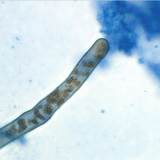
PLFA analysis identifies which microbes reside in your soil by quantifying different microbial community compositions, especially the fungal-to-bacteria ratio. This provides a more detailed profile of soil microbiology compared to the Haney test. While a 1:1 fungal-to-bacteria ratio is often considered ideal for many perennial systems, row crop soils commonly show bacteria dominance due to annual disturbance and tillage.
Cost: Moderate to High | Frequency: Annually to establish trends
DNA Sequencing and Metagenomics
These advanced technologies enable the identification of individual microbial species. Knowing which species are present and which are lacking provides important data for making targeted management decisions.
Cost: High | Frequency: Periodically for detailed analysis
Interpreting Your Results
Once you understand your soil biology status, you can take targeted action:
- Low earthworm counts signal compaction, chemical damage, or lack of organic matter.
- Bacteria-dominated soil (common in row crops) benefits from adding fungi through compost, reduced disturbance, or diverse perennial cover crops.
- Low overall biomass indicates the need for more living roots, organic matter additions, and reduced disturbance.
- Fungal-dominated soil suggests good soil structure and is ideal for many perennial systems.
How to Build and Protect Soil Biology
Building soil biology requires consistent management practices that feed and protect soil life. The six principles of soil health all contribute to biological activity, but here are specific strategies to enhance the living community in your soil:
Maintain Living Roots Year-Round
This is the single most important practice for building soil biology. Living root systems provide habitat and food for soil organisms. Without living roots, many species go dormant or die. By keeping plants growing through cover crops and diverse rotations, we continuously feed soil biology and facilitate the exchange of nutrients and carbon between plants and microbes. Adding plant diversity—and therefore a diversity of root systems and root exudates—increases the diversity of microbial populations in the soil.
Minimize Soil Disturbance
Tillage disrupts fungal networks, destroys soil structure, and kills many beneficial organisms. Chemical disturbance through herbicides and fungicides also impacts soil biology. While these tools may sometimes be necessary, minimizing their use protects the biological community you're working to build.
Maximize Plant Diversity
Different plant families associate with different microbes and produce different root exudates. Diverse plant communities support diverse microbial communities. Aim for 4-6 plant families in cover crop mixes to dramatically increase biological diversity.
Keep Soil Covered
Bare soil loses moisture, experiences temperature extremes, and provides no food for biology. Soil cover through living plants or residue moderates temperature and moisture while providing organic matter for decomposition.

Integrate Livestock
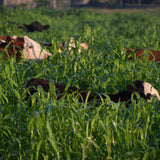
Properly managed grazing adds nutrients, stimulates plant growth, and inoculates soil with beneficial microbes from livestock manure. The hoof action also helps incorporate organic matter into the soil where biology can access it.
Soil Amendments
Incorporate Compost
Composting directly applies beneficial organisms to your field while adding organic matter. Fungal-rich composts, such as Johnson-Su compost (a static, thermophilic composting method that promotes fungal development), can significantly boost soil microbe populations, especially fungal communities. Compost extracts or teas can spread these benefits across larger acreages.
Biological Inoculants
Inoculating your cover crop and cash crop seed introduces essential fungi and bacteria to promote root health and enhance nutrient uptake. Think of inoculants as starter cultures—like adding yeast to bread dough. They jumpstart biological processes, especially valuable in depleted soils or challenging conditions.
When Are Inoculants Most Valuable?
While inoculating seed represents an additional input cost, this relatively small investment can pay significant dividends:
- Depleted soils: Fields with low biological activity benefit most from inoculation.
- Challenging conditions: Arid regions where moisture is scarce, or fields with poor drainage.
- Early season stress: Inoculants help cover crops establish more robustly and withstand stress, especially during germination and early growth.
- Specific goals: When maximizing nitrogen fixation, phosphorus availability, or disease resistance is critical to your cover crop objectives.
Think of biological inoculants as inexpensive insurance. When growing conditions are less than ideal, the right inoculant may give your crop the boost it needs to succeed.

Putting It All Together
When planting a cover crop, always have clear goals in mind. Building soil biology should be one of those goals, as healthy biological activity underlies all other soil functions and is the foundation of resilient, productive farms.
Start by assessing your current biological activity through simple observation—earthworm counts work well—or through testing. Then implement practices that feed and protect soil life: maintain living roots year-round, add plant diversity, minimize disturbance, and use compost or biological inoculants strategically. As you progress, use soil tests to track improvements and make targeted decisions about amendments.
Remember that building soil biology is a gradual journey requiring patience and consistent management, not a one-time fix. The investment in biological inoculants and soil health practices pays dividends in improved plant health, nutrient cycling, and long-term soil function. This is wise stewardship of the land entrusted to us—building living, vibrant soil that will serve future generations.