Planting cover crops in fall: When is it too late?
Is it too late to plant cover crops?
We get this question all of the time when it comes to fall planting cover crops. The answer, of course, will depend on where you are located and what your current and forecasted conditions are. We base many of our recommendations on the average first frost date for your area, but it can change based on weather patterns. For example, here in Nebraska our average first frost is October 7th, but our soils are still warm (58 degrees) and our 10 day forecast is highs in the 60’s and 70’s so we will shift our recommendations to plant later than in a “normal” year. Here are some general guidelines we like to use when helping customers and friends with planting recommendations.
TIP: We use this handy GreenCast website to do a quick check of soil temps anywhere in the US
Winter Cereal Rye
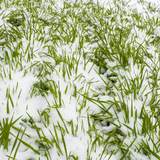
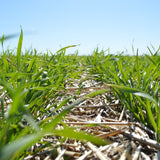
If you can get the drill in the ground, it is not too late to plant cereal rye. We have had successful plantings through December with cereal rye so when it is too late for everything else, you can still give cereal rye a chance. It will germinate at 34 degrees so it will almost always successfully vernalize and be ready to take off and grow fast with the late winter/early spring warm-up. Because it stays green all winter, when the temperature is above 38 degrees and the sun is shining, even small cereal rye plants will be photosynthesizing! You will want to compensate for the lack of tillering from a late planting with an increased seeding rate
Cosaque Winter Black Oats and Annual Rye Grass
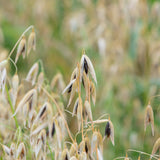
We like to see these cover crop species in the ground a couple of weeks before the first frost if possible. For information on the differences between annual rye grass and winter cereal rye, check out this article from our website.
Triticale and Winter Wheat
You should have no problem planting these cold hardy cereals 2-3 weeks after your average first frost date and you can expect them to do just fine come spring.
Winter Peas and Hairy Vetch
Consider winter peas planting dates similar to when you would plant winter wheat in your area – if you feel comfortable planting wheat yet, go ahead and add winter peas. Planting deep will help protect the growing point through the winter and lead to better survival. Hairy vetch is the most cold hardy of all of the legumes and we would plant this at least 2 weeks past our average first frost date – and with warmer weather, we might plant hairy vetch all the way to first of November here in south central Nebraska. Just remember, the later it gets planted, the slower it will be taking off in the spring, so be ready to be patient and give it time to grow in the spring.
Other Legumes
If you are further south then you can certainly still use crimson clover, balansa clover, spring peas, faba beans and common vetch. How late you can go with these again will depend on how far south you are.
Brassicas
Mustards – plant up to 3 weeks before first frost Radishes – plant up to 1 week before first frost Turnips – can be planted up to first frost Collards, Rapeseed and Kale – 1-2 weeks after frost Camelina - 2-3 weeks after frost
Be sure to reach out to us with any questions you may have on a cover crop plan for this fall. You can fill out a contact us form, provide details and we'll have a sales representative get back to you or give our office a call. 402-469-6784