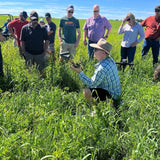
Flower Hill Institute - MILPA Garden
Many of the 577+ Federally recognized American Indian Tribes that transverse across 33 States in the US have more than 53M acres of land, primary water rights and 3M Natives growing at 4% per year or doubling every 20 years or so are agricultural Tribal communities with vast histories to farming.
For instance, historically, many of the Puebloan communities in the southwest have been utilizing the same seed, the same waters and the same soils for centuries. This agriculture is the very DNA that makes the people and the communities what they are. It’s their very identity. Fast forward to a more modern life way and wage economies, farming becomes more challenging, especially for the rural based communities that travel an hour to an hour and half back and forth to work each day, that’s a 12 to 14 hour work day then farming on top of that. Very challenging.
As if that set of reality wasn’t challenging enough, put a world wide pandemic on top of that and we have farming in 2020. When the Pandemic first hit our rural community at the Pueblo of Jemez in Northwestern New Mexico in the late winter and early spring, we were concerned about access to food. The closest grocery store is 47 miles away and the local convenience store stocks mostly diabetes and obesity foods such as chips, soda and candy snacks. Our Cultural Leader, Joseph Toledo, gather a few people and advocated calm and confidence amidst the headlines and news stories of empty grocery shelves. He suggested that since the beginning of time, we have had a symbiotic relationship with the natural world full of abundant resource with many edible and medicinal plants.
We began foraging our landscapes for both the edible and medicinal plants of diverse varieties. We engaged our youth in virtual workshops to help support the identification of the correct plants. This was immensely helpful in restoring confidence in our cultural ways and dealing with the anxiety from being bombarded by the daily newsreels with death counts. It helped to get us outside and in small family groups preserve our cultural ways. This was helpful but not the entire picture.
We knew that we would plant, and plant big this Covid spring. We had been practicing cover crop and no –till in our agriculture areas as a practice for several years and getting great advice and seeds from Keith Berns at Green Cover Crop Seeds. We historically blend cover crops, no-till and use of humates mined locally as our organic fertilizers into our practice for farming.
We plant our traditional chili, corn, melons and squash from our Heritage seeds. But with the short supplies and increasing costs at the grocery stores, we wanted to plant other non-traditional vegetable crops to compliment our traditional crops. We began looking for organic and non-GMO seed suppliers to help with accessing a diverse supply of seed. Without knowing that Green Cover Crop Seeds offered non-cover crop seeds we started searching the internet and found that toilet paper, meat and seeds were in short supply due to the Covid impacted high demand. After a frustrating search, I called Keith and he said he could help (as usual) and we started to order MILPA seeds from Green Cover Seeds for ourselves. After we had the first order of MILPA in the ground, we reached out to Tribes all across the US and started to support their efforts for MILPA Resiliency Gardens. We bought all the big bags of MILPA seeds and broke them into smaller bags and sent seeds to more than 600 Native and Tribal farms from Alaska to Florida and California to Maine and many places in between.
We received a number of comments and requests for “How to” and more specifics on planting the MILPA Blend seeds into Resiliency Gardens. We spent a lot of time with individuals, families and communities alike. It felt really good to get the seeds out of our garages and into the soil all across Indian Country. We donated all the seeds, processing, shipping with our partnerships with Green Cover Seeds, Native American Agriculture Fund and various Tribal organizations. All the produce and vegetables were grown and consumed on Indian lands for Native peoples.
We are working on our 2021 MILPA Seed orders now and are planning to work more efficiently with Tribal organizations to have the MILPA seeds shipped directly and distributed directly though the Tribal organizations. We highly recommend to anyone wanting to make a difference to consider joining Green Cover Seeds and invite others to help support gardening!!
*This article was written by Roger Fragua with the Flower Hill Institute*