The 1,000 Farms Initiative
Transforming Agriculture for a Better Future
Imagine a food system that heals the land, supports farmers, and builds stronger communities. That's the vision behind the 1,000 Farms Initiative, led by Dr. Jonathan Lundgren and the Ecdysis Foundation. Launched in 2022 from Blue Dasher Farm in South Dakota, this groundbreaking project is one of the largest studies of regenerative agriculture ever attempted. By collecting data from operating farms across the U.S.—with plans to expand to Central and South America and the Caribbean—it's showing how practices like no-till farming, cover crops, diverse rotations, and rotational grazing can transform agriculture. In just three years, the initiative has already studied over 1,700 farms, and it's only getting started. This isn't just research—it's a movement to prove that farming can work with nature to feed the world sustainably.

Why It Matters
For too long, regenerative agriculture has been dismissed by critics who claim there's not enough hard evidence to support it. The 1,000 Farms Initiative is changing that. Unlike studies focused on research farms or industrial monocultures, this project puts farmers at the center, studying active farms growing everything from corn to cattle to fruit trees. It's measuring how regenerative practices impact soil health, water use, biodiversity, carbon storage, crop yields, food quality, and farm profits. The goal? To provide clear, data-driven proof that these methods work across different crops, climates, and farm sizes.
The initiative has three big aims:
- Prove the benefits: Show how regenerative farming improves the environment, boosts farm income, and strengthens rural communities.
- Empower farmers: Give producers practical data to refine their practices and transition to regenerative methods.
- Shape the future: Influence consumers, policymakers, and markets to support sustainable agriculture as a solution to climate change, biodiversity loss, and rural decline.
By 2026, Ecdysis plans to connect with 600,000 farmers through partnerships, field days, and education, sharing a roadmap for a better food system.

How It Works
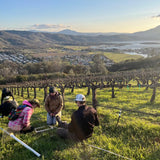
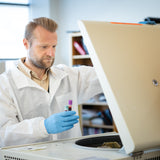
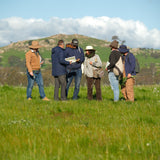
The Ecdysis team doesn't just crunch numbers from a lab—they get out in the fields. Scientists like Lundgren and rangelands expert Dr. Ryan Schmid visit farms, sometimes spending days with farmers to understand their operations. In 2022, they studied 389 farms across 15 states, running 4,960 soil and water tests, collecting 31,000 plant samples, and doing 77,800 insect sweeps. They measure:
- Soil health: Microbial activity, organic matter, and carbon storage.
- Water use: How well soils absorb and hold water.
- Biodiversity: Numbers of insects, birds, microbes, fungi and plants, plus pest levels.
- Farm economics: Yields, input costs, and overall profitability.

Farmers get these assessments—worth about $7,500 each—for free, thanks to grants, philanthropic donations and individual contributions. Each farmer receives a tailored report comparing their land to others nearby, with tips to improve. Ecdysis is also building tools like "BugBox," an AI-powered device that quickly identifies insects, making data easier to analyze and share. This hands-on, farmer-first approach builds trust and ensures the research reflects real-world farming.
What's Been Found So Far
While full results are still being analyzed, early findings from 1,284 farms are promising and echo what regenerative farmers have long known:
- Healthier soil: Practices like cover cropping and no-till build better soil structure, hold more water, and store more carbon, helping fight climate change.
- More wildlife: Regenerative farms have more insects and birds, which naturally control pests and support thriving ecosystems. Lundgren says it best: "Bugs are a symptom of the system they live in."
- Better profits: Over time, farmers spend less on fertilizers and pesticides, boosting their bottom line. But transitioning can be tough, with upfront costs and a learning curve.
- Stronger communities: The initiative fights farmer isolation by hosting field days and workshops, helping producers share ideas and rebuild networks like those in old rural towns.
These early results show regenerative farming works across different regions and crops, but the specifics depend on local soils and practices.

Challenges and Opportunities
This project isn't easy. Sorting through mountains of data from thousands of farms takes time and money, and funding can be unpredictable. Scaling up to 1,000 farms a year and going global needs more support. Plus, industrial agriculture's grip—backed by decades of policy and subsidies—makes widespread change hard.
But Ecdysis is ready for the challenge. Through Project Ignite and Project Avalanche, they're using data to push for policy changes and train farmers as community-scientists. They are now testing regenerative systems against extreme weather and reaching more farmers. Including diverse producers—like BIPOC and women farmers—ensures everyone has a seat at the table.
Why You Should Care
The 1,000 Farms Initiative is more than a study—it's a call to rethink how we grow food. It's proving that regenerative agriculture can store carbon, save water, and support wildlife while keeping farms profitable. It's also bringing farmers together, fighting the loneliness of modern farming and building inclusive communities. When the full data comes out, it could push policymakers to fund sustainable practices, inspire consumers to buy regenerative products like grass-fed beef or cover-cropped grains, and attract businesses to invest in a better food system.