What's the Right Seeding Rate For Your Fall Cover Crop?
It’s common to plant cereal rye and triticale after fall harvest, usually in October or November. While the diversity of cover crop species is pretty limited at this point for our customers north of I-70, a cover crop still provides excellent soil health benefits, erosion protection, and livestock feed if that’s one of your goals. As we move through the fall, the days get shorter and cooler and it’s important to align our planting strategy with the change in seasons..
Tillering Explained
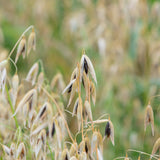
Fall cereals like cereal rye and triticale grow extensive amounts of biomass through tillering. These plants produce multiple stems called tillers from a single plant or seed. When these plants germinate in early fall they have plenty of sunshine and warmth to germinate quickly and develop lots of tillers, increasing the overall biomass of the crop. As the season progresses and the temperature and day length wanes, tillering reduces and it’s up to us to compensate with more plants in the field. A general rule for these cereals is to increase the seeding rate the later you plant and, ultimately, your goals play a large role in determining that rate.
Rule of thumb: increase your seeding rate by 20lbs/ac each month in the fall past September
Planting for erosion protection
If erosion protection is your primary goal, you can get away with a lighter seeding rate. In most cases 40lbs/ac would work well planted in September. As you move into October 60lbs would be better and in November 80lbs. Lowering seeding rates in dry areas can be tempting to save soil moisture, but too few roots can leave soils vulnerable to wind and rain erosion.
Planting for weed control
Cereal rye provides excellent weed control but you do need appropriate amounts of biomass in the spring to smother weed seeds and this should be taken into account when determining seeding rate.. Starting with around 50lbs/ac in September, moving to 70 in October and 90 in November helps ensure you grow enough biomass to keep the weeds at bay.
Planting for livestock forage
If forage is your primary concern, then tonnage is your goal. This is also the situation that makes triticale the superior option due to higher energy and protein levels and better palatability late in the spring when the cereal heads out. Shoot for 60lbs per acre in September, 80lbs in October and 100lbs in November.
Legumes and Brassicas
Other winter-hardy crops that you might plant in October or November include legumes such as hairy vetch and winter peas and brassicas such as turnips and winter camelina. Because these crops don’t tiller, planting more of them won’t help contribute to increased biomass. If your primary goal is nitrogen fixation with legumes, spring-time growth is essential for late planted crops. The legumes with the help of microbes need time to get those nitrogen-fixing engines running and do some real work. We recommend leaving your legumes until late May for adequate nitrogen accumulation. For those who live in climates warm enough for brassicas to make sense right now (south of I-70), consider increasing the rate by a pound or two. The tubers will not get as big with a shorter amount of time to grow, but this ensures you’ll have plenty in the field.
Keep in mind these are starting points, not an exact recommendation for your context. Your previous crop, upcoming crop, soil moisture and exact location all play a role in determining the best rate for your fall cover crop. If you’d like a recommendation for your unique context give us a call or send us a message. (402)469-6784 or reach out to us via email: https://greencover.com/pages/get-in-touch