

Healthy soil = healthy food
Cover Crop Solutions for Gardens and Homesteads

Our pre-made mixes are designed with many different uses in mind. Use our decision guide to find the right mix for you.

Nothing builds healthy soil like a diverse mix of growing plants. Cover crop mixes improve soil structure, increase soil organic matter, and boost microbial life in your soil.

Whether you’re growing forages for your livestock or fresh produce in your garden, improved soil health will greatly impact the health of your plants and the quality of the food that you grow.

from $1.10 per lb

from $2.03 per lb

from $1.10 per lb

These specialized mixes are designed specifically for home and market gardens. They don't contain Brassicas so your cover crops won't attract pests such as cabbage moths.


from $0.70 per lb


from $0.71 per lb


from $1.42 per lb

Keep your garden beds or pastures covered. Add diversity with our soil building mixes all year round.


from $1.63 per lb


from $1.94 per lb


from $39.96 per lb


from $5.70 per lb


from $2.16 per lb

Our pollinator mixes are chock full of flowering cover crops that will attract pollinators and beneficial insects from miles around

from $0.71 per lb


from $1.59 per lb


from $1.91 per lb

from $0.97 per lb

from $1.60 per lb

Whether you're grazing sheep and goats, a small herd of cattle or even chickens, your livestock will love the forage from the palatable and diverse mixes


from $1.33 per lb


from $1.36 per lb


from $2.51 per lb

Looking to really boost your soil's productivity? These mixes include even more diversity and build relationships with even more soil-building microbes.
Or grow produce in a maximum diversity setting with our Milpa Garden Mix.
Answer a few quick questions and we'll point you to the right mix.
What are you trying to accomplish?
Are you looking for a cover crop or garden veggies?
When are you planting?
Do you want it to winter kill?
Are you looking for annual or perennial habitat?
When are you planting?
Are you looking for annual or perennial options?
When do you need the feed?
When can you plant?
When can you plant?
What is your pasture situation?

Our recommendation
A versatile brassica-free mix for home gardens. Plant in spring or fall — it improves your soil without attracting cabbage moths or other common garden pests.
from $11.00
View Options
Our recommendation
Give your beds a summer break while keeping the soil active and covered. This mix builds organic matter and microbial life while your main crops rest.
from $20.00
View Options
Our recommendation
Plant in fall and keep your beds covered and protected all winter. Establishes before the cold sets in and holds the soil until you are ready to plant again in spring.
from $8.00
View Options
Our recommendation
Over 40 seed varieties including squash, cucumbers, watermelons, beets, sunflowers, okra, and more — all while building your soil. The ancient Three Sisters tradition, modernized.
from $10.00
View Options
Our recommendation
Packed with flowering cover crops that bloom in cool weather. Plant in spring or fall for a burst of color that draws pollinators and beneficial insects from miles around.
from $16.00
View Options
Our recommendation
A warm-weather flowering mix that keeps pollinators and beneficial insects coming through the heat of summer when cool season blooms have faded.
from $19.00
View OptionsWe have two great perennial options — here is how they differ:
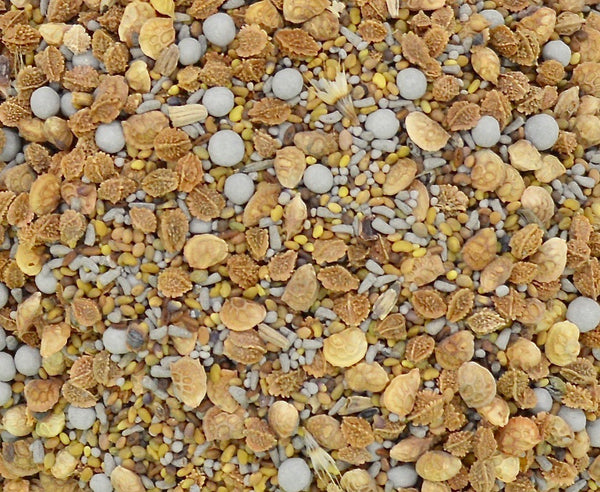
Mostly perennial species designed to provide pollinator habitat and food for years to come. Plant once, enjoy season after season.
from $57.00 per lb
View Options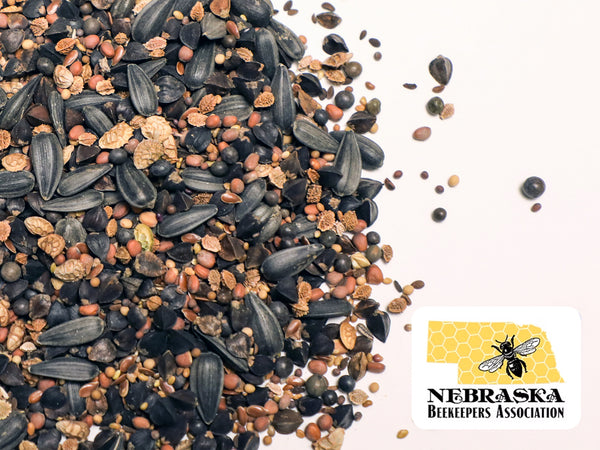
Designed with the Nebraska Beekeepers Association — a mix of annuals, biennials, and perennials built specifically for honey production.
from $22.00 per lb
View Options
Our recommendation
A stunning mix of flowering species for maximum visual impact. Great for adding color, curb appeal, and pollinator activity to any open area.
from $25.00
View OptionsPick the mix that fits your animals:
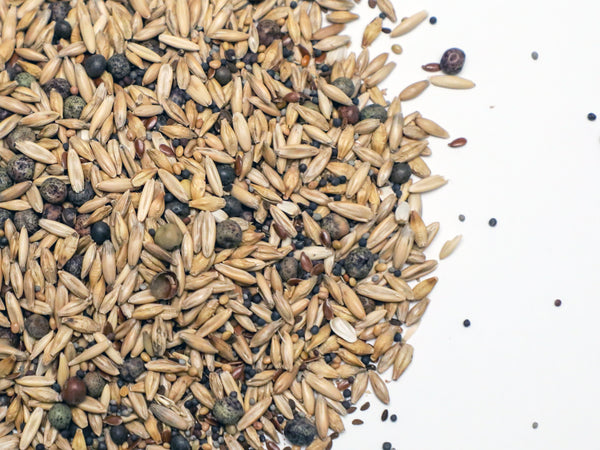

Pick the mix that fits your animals:
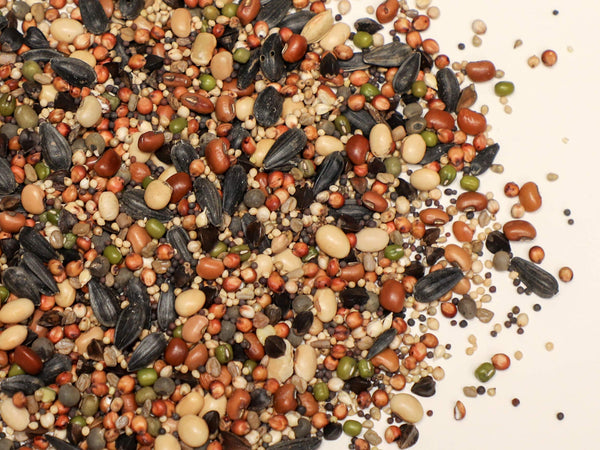

Pick the mix that fits your animals:
Prussic acid notice: Both grazing mixes pose a risk for prussic acid poisoning. Avoid grazing immediately following a frost event — wait at least 14 days to allow the prussic acid to volatilize before turning animals in.

Our recommendation
Plant in summer and stockpile the forage for winter grazing. Get ahead of your feed needs while fields are still actively growing.
from $17.00
View Options
Our recommendation
Plant in fall and graze through the dormant season. Establishes before the cold sets in and provides reliable forage through winter.
from $8.00
View Options
Our recommendation
Plant in fall for dormant grazing through the winter months. Establishes before cold sets in and holds forage value even in dormant conditions.
from $8.00
View Options
Our recommendation
The foundation for a new pasture. Establishes a diverse stand of cool season perennial species that will provide reliable forage for years with minimal replanting.
from $44.00
View Options
Our recommendation
The easy way to add species diversity to an existing stand. Frost seed in late winter — freeze/thaw cycles work the seed into the soil for you. No tillage needed.
from $33.00
View Options

Alex Erhard, a technology manager in Colorado, purchased a 3-acre property that had extremely compacted clay soil, which he describes as like concrete. He said there was no sign of worms, and the land was overtaken by kochia, thistles, and bindweed.
After planting Cool Season Soil Builder in the spring, Alex says that existing smooth brome came up first, followed by the cover crop seedlings. The cover crop choked out the kochia and thistles, although it did not compete with the bindweed in the first year.
Alex now says his soil is very soft and moist, and there are lots of insects—attracting pollinators was a very good surprise.
